
How to Choose an Alabaster Chandelier for a Dining Room
Choose an alabaster chandelier for a dining room by starting with the table shape and dimensions, then checking the fixture body, suspension range, ceiling height, and light source. Round chandeliers usually create a centered focal point; linear chandeliers usually follow a rectangular table; tiered fixtures add vertical presence when the room has enough height.
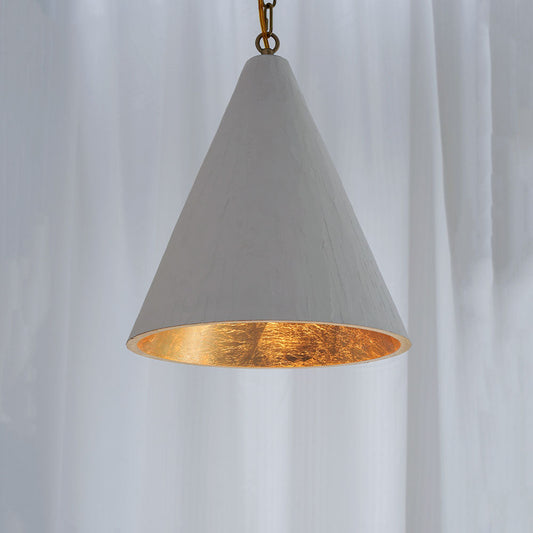
The product image helps you compare style, but the selected variant measurements determine whether the fixture fits.

Measure the Table and Room
Record these dimensions before comparing products:
- Table length and width or diameter.
- Room length and width.
- Ceiling height above the table.
- Distance from the table to walls and circulation paths.
- Junction box position relative to the table center.
- Height of nearby doors, cabinets, and sightlines.
If the table is not centered in the room, decide whether the chandelier should align with the table or the architecture. Moving a junction box or using an offset canopy changes the installation plan and should be reviewed before ordering.
Round Chandeliers for a Centered Composition
A round or ring chandelier can reinforce the center of a round or square table. It can also work over a rectangular table when the fixture is large enough to relate to the whole arrangement, but a small centered ring may leave the ends visually disconnected.
The Round Alabaster Chandelier uses an open ring supported by dark straps. The Alabaster Oslo Round Art Chandelier provides another ring-based comparison. Review the diameter and suspension for the exact variant.

Linear Chandeliers for Rectangular Tables
A linear chandelier follows the long axis of a rectangular table. It can create a more even visual relationship from one end of the table to the other.
The Alabaster Linear Chandelier uses repeated rectangular panels along a long frame. The Natural Alabaster Chandelier provides another linear form with a darker frame.
Compare:
- Full fixture length, not only the illuminated section.
- Fixture width relative to the table.
- End clearance above the tabletop.
- Canopy size and orientation.
- Minimum and maximum suspension.
- Weight and ceiling support.

Tiered Chandeliers for More Vertical Presence
Tiered fixtures extend farther downward and create a stronger mass in the room. They may suit a taller dining room or a table placed in a large open space. In a lower room, the same fixture can feel crowded even when its diameter is appropriate.
The Beckley Marble Chandelier uses descending rows of pale rectangular panels. Before choosing a tiered design, include the full body height, chain or rod, canopy, and lowest decorative element in the calculation.
Check Width, Height and Suspension Together
Avoid choosing from width alone. A wide, shallow ring and a narrow, deep tiered chandelier can occupy the room very differently.
Use the exact variant data to compare:
- Fixture length or diameter.
- Fixture width.
- Body height.
- Suspension length and adjustment range.
- Canopy dimensions.
- Fixture weight.
- Lowest point after installation.
Create a paper or tape outline at tabletop level to understand the horizontal footprint. For vertical scale, mark the proposed lowest point on a wall visible from the table.
Plan the Hanging Height With the Installer
The correct hanging height depends on ceiling height, fixture body, table height, sightlines, and local installation conditions. A generic number cannot account for every fixture or room.
Before installation, confirm:
- The clearance needed for seated and standing sightlines.
- Whether the fixture blocks views across the table.
- The effect of an open-plan room and nearby walkways.
- The available adjustment in the supplied cable, rod, chain, or strap.
- Whether a sloped ceiling needs different hardware.
Use the planned Chandelier Size and Height Guide for approved calculations once it is published, and have the final position reviewed by the installer.
Compare Light Output and Dimming
A dining room needs enough light for meals and table tasks while remaining comfortable at lower levels. Review the exact product details for:
- Bulb quantity and base.
- Maximum wattage.
- Integrated LED or replaceable bulbs.
- Color temperature.
- Dimming compatibility.
- Downward, upward, or diffused light.
- Access for bulb changes.
Do not assume that a pale stone shade guarantees glare-free light. Bulb position, brightness, shade thickness, openings, and room surfaces all affect comfort.
Verify the Material
Alabaster, marble, composite stone, resin, and glass can look similar in photographs. Confirm the material for the exact SKU, particularly when material variation, weight, care, and replacement parts affect the project.
Ask whether product photographs show the actual material variation or a representative sample. Review both illuminated and unlit images.
Dining Room Shortlist
| Product | Shape to compare | Planning question |
|---|---|---|
| Round Alabaster Chandelier | Open ring | Does the ring diameter relate to the table width? |
| Alabaster Oslo Round Art Chandelier | Round ring | Are the strap length and canopy suitable for the ceiling? |
| Alabaster Linear Chandelier | Linear | Does the length follow the table without crowding the ends? |
| Natural Alabaster Chandelier | Linear | Are the body height and chain adjustment appropriate? |
| Bowl-Shaped Alabaster Chandelier | Bowl | How does the deeper central shade affect sightlines? |
| Beckley Marble Chandelier | Tiered | Does the room have enough vertical clearance? |
Final Checklist
- Confirm the table, room, and ceiling measurements.
- Choose round, linear, bowl, or tiered based on the whole composition.
- Compare the exact variant dimensions.
- Confirm suspension, canopy, weight, and ceiling support.
- Review bulb, output, color temperature, and dimming.
- Verify the stated material and expected variation.
- Plan installation and future cleaning access.
Browse Alabaster Lighting, Dining Room Lighting, or read the Alabaster Lighting Buying Guide before building a final shortlist.
Tags:
Previous
Natural Alabaster Chandelier:Biophilic Linear Stone and Brass Light
Next
Alabaster Lighting Buying Guide: Types, Shapes and Sizing
Related articles
Nature’s Geometric Light
Aug 16 2026
Organic Texture for Warm Interior Lighting
Aug 15 2026
Sculptural Light, Craft Timeless Home Ambiance
Aug 08 2026